



Sleep Apnea in Women: Symptoms That Are Often Overlooked
Sleep Apnea in Women: Symptoms That Are Often Overlooked
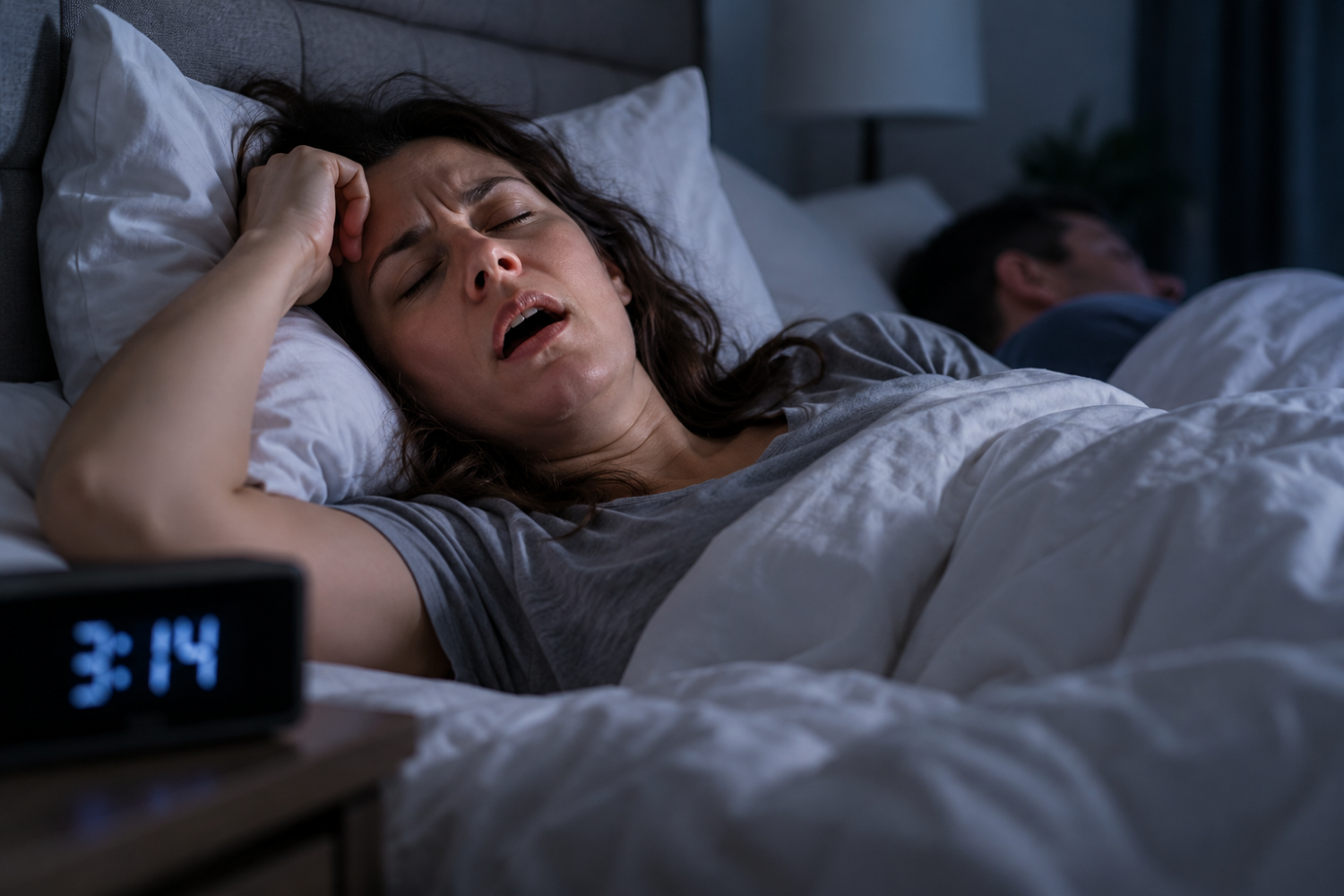
Sleep apnea in women can cause more than snoring. It may lead to persistent fatigue, morning headaches, difficulty concentrating, mood changes, and trouble staying asleep. Because these symptoms can resemble stress, anxiety, depression, or menopause, sleep apnea may go undiagnosed.
Recognizing the warning signs is an important step toward better sleep and long-term health.
What Is Sleep Apnea?
Sleep apnea is a sleep disorder in which breathing repeatedly stops, slows, or becomes shallow during sleep.
The most common type is obstructive sleep apnea (OSA). It occurs when the muscles in the throat relax and partially or completely block the airway.
These breathing disruptions can happen many times throughout the night. They may briefly lower oxygen levels and interrupt the normal sleep cycle, even when a person does not fully wake up.
Sleep apnea affects both women and men. However, women may experience symptoms that are less obvious than the loud snoring and gasping often associated with the condition.
7 Symptoms of Sleep Apnea in Women That Are Easy to Miss
Women with sleep apnea may not recognize that their symptoms are related to a sleep disorder. Instead, they may assume they are caused by a busy schedule, hormonal changes, or aging.
Here are seven warning signs to watch for.
1. Constant Fatigue Despite Getting Enough Sleep
Do you wake up tired even after spending seven to nine hours in bed?
Sleep apnea can repeatedly interrupt deep, restorative sleep. As a result, you may feel exhausted even when you believe you have slept long enough.
You might notice:
- Feeling tired throughout the day
- Having little energy for normal activities
- Relying on caffeine to stay alert
- Feeling unrefreshed in the morning
Persistent fatigue is one of the important symptoms of sleep apnea in women.
2. Difficulty Falling or Staying Asleep
Sleep apnea does not always cause obvious breathing problems.
Some women experience frequent nighttime awakenings or have difficulty falling back asleep after waking. They may be diagnosed with insomnia or assume that stress is responsible.
In some cases, repeated breathing disruptions contribute to poor sleep quality and insomnia-like symptoms.
If sleep problems continue despite healthy sleep habits, ask your healthcare provider whether sleep apnea should be considered.
3. Morning Headaches
Waking up with a headache can have several causes, including dehydration, medication effects, migraines, and sleep disorders.
Sleep apnea is another possible explanation.
Breathing disruptions and changes in oxygen and carbon dioxide levels during sleep may contribute to morning headaches in some people.
Pay attention if headaches occur regularly alongside fatigue, restless sleep, or difficulty concentrating.
4. Anxiety, Irritability, or Low Mood
Poor-quality sleep can affect emotional health.
Women with sleep apnea may experience irritability, anxiety, depressive symptoms, or reduced ability to manage everyday stress.
These symptoms can have many causes, and they do not automatically indicate sleep apnea. However, when mood changes occur alongside persistent sleep problems or daytime fatigue, it is worth discussing sleep quality with a healthcare professional.
Treating an underlying sleep disorder may help improve sleep and daytime functioning.
5. Brain Fog and Difficulty Concentrating
Do you find yourself forgetting details, struggling to focus, or feeling mentally slower than usual?
Repeated sleep interruptions can interfere with attention, memory, and decision-making.
You may notice:
- Difficulty concentrating at work
- Forgetfulness
- Reduced mental clarity
- Trouble completing familiar tasks
These symptoms can be especially frustrating when you are getting what seems like enough sleep.
If brain fog persists, a medical evaluation can help identify possible causes, including sleep apnea, thyroid disorders, anemia, medication effects, and other conditions.
6. Waking Up Frequently to Urinate
Getting up once in a while to use the bathroom may be normal. However, frequent nighttime urination, also called nocturia, can disrupt sleep and contribute to daytime fatigue.
Sleep apnea is one possible cause.
Repeated breathing disruptions can affect pressure changes within the chest and hormonal signals involved in fluid regulation. This may increase nighttime urine production in some people.
Frequent nighttime urination can also result from diabetes, bladder conditions, medications, and other health problems. A healthcare provider can help determine the likely cause.
7. Snoring, Gasping, or Dry Mouth
Although women may have less obvious symptoms, they can still experience the classic signs of sleep apnea.
These include:
- Loud or frequent snoring
- Gasping, choking, or snorting during sleep
- Pauses in breathing noticed by a partner
- Waking with a dry mouth or sore throat
You may not know that your breathing changes during sleep unless someone else observes them.
Important: The absence of loud snoring does not rule out sleep apnea.
Why Does Sleep Apnea Become More Common During and After Menopause?
Menopause is an important time to pay attention to changes in sleep.
Before menopause, women generally have a lower risk of obstructive sleep apnea than men of a similar age. That difference becomes smaller during and after menopause.
Hormonal changes may influence breathing and upper-airway stability. Changes in body composition, including increased fat around the neck, may also contribute to risk.
At the same time, menopause can cause symptoms such as:
- Night sweats and hot flashes
- Difficulty staying asleep
- Daytime fatigue
- Mood changes
- Difficulty concentrating
These symptoms can overlap with sleep apnea, making the underlying cause harder to recognize.
If you are experiencing persistent sleep disturbances during perimenopause or menopause, do not automatically assume that hormones are the only explanation. Discuss whether sleep apnea or another sleep disorder should be evaluated.
Who Is at Higher Risk for Sleep Apnea?
Sleep apnea can affect women of any body size or age. Certain factors can increase the likelihood of developing the condition.
Risk factors include:
- Menopause: Risk increases during and after menopause.
- Excess body weight: Fat deposits around the neck and upper airway can contribute to airway obstruction.
- Family history: Genetics and inherited airway characteristics may play a role.
- High blood pressure: Sleep apnea and hypertension frequently occur together.
- Pregnancy: Pregnancy-related changes can increase the risk of sleep-disordered breathing.
- Polycystic ovary syndrome (PCOS): Hormonal and metabolic factors associated with PCOS may increase risk.
- Alcohol use and certain medications: Alcohol and some sedating medications can worsen breathing during sleep.
Having one or more risk factors does not mean you have sleep apnea. Likewise, people without these risk factors can still develop it.
What Happens If Sleep Apnea Goes Untreated?
Untreated sleep apnea can affect more than energy levels and sleep quality.
Repeated breathing interruptions can cause oxygen levels to fall and place stress on the cardiovascular system.
Over time, sleep apnea is associated with an increased risk of several health problems, including:
High blood pressure: Sleep apnea can contribute to hypertension and may make blood pressure more difficult to control.
Heart and blood vessel disease: Obstructive sleep apnea is associated with cardiovascular conditions, including heart disease, heart failure, and stroke.
Type 2 diabetes and metabolic problems: Sleep disruption and sleep apnea are associated with impaired glucose regulation and other metabolic concerns.
Problems with memory and concentration: Poor sleep can affect attention, decision-making, and everyday functioning.
Daytime sleepiness and accidents: Reduced alertness can increase the risk of accidents, particularly while driving.
These associations do not mean that every person with sleep apnea will develop these conditions. However, they highlight why identifying and treating sleep apnea is an important part of preventive health care.
How Is Sleep Apnea Diagnosed in Women?
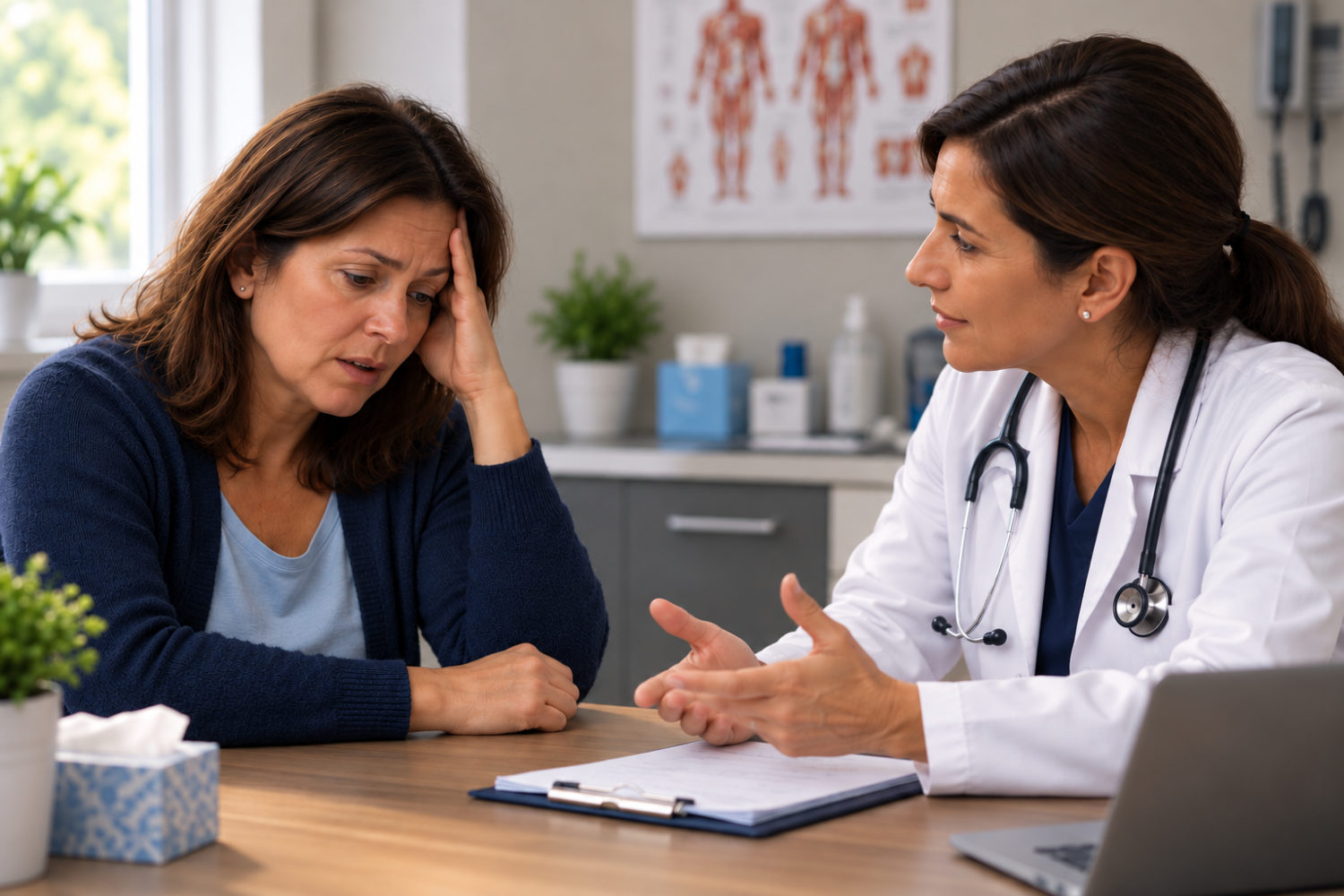
A healthcare provider can evaluate your symptoms, medical history, and risk factors to determine whether sleep apnea testing is appropriate.
Step 1: Medical Evaluation
Your provider may ask about fatigue, headaches, insomnia, snoring, nighttime awakenings, medications, and any breathing changes noticed by a partner.
Your blood pressure, weight, airway characteristics, and other relevant health factors may also be assessed.
Other possible causes of fatigue or sleep disturbances may need evaluation as well.
Step 2: Sleep Study
Sleep apnea is diagnosed using a sleep study.
Depending on your medical history and symptoms, testing may involve:
- Home sleep apnea testing: A portable device measures selected breathing and oxygen-related signals while you sleep at home. It is appropriate for certain adults with suspected obstructive sleep apnea.
- Overnight sleep study (polysomnography): This test is generally performed in a sleep center and records breathing, oxygen levels, brain activity, heart rate, and other measurements.
A home test may not detect every case. If the results are negative or inconclusive but symptoms continue, an in-lab study may be recommended.
A screening questionnaire alone cannot confirm or exclude sleep apnea.
How Is Sleep Apnea Treated?
Treatment depends on the type and severity of sleep apnea, your symptoms, and your overall health.
Common treatment options include:
Positive Airway Pressure Therapy
Continuous positive airway pressure (CPAP) is a common treatment for obstructive sleep apnea. It delivers air through a mask to help keep the airway open during sleep.
Some people use an auto-adjusting or bilevel device, depending on their needs.
Oral Appliances
A custom-fitted oral appliance may help keep the airway open by positioning the lower jaw forward. These devices may be appropriate for some patients, particularly those who prefer an alternative to CPAP.
A qualified dental sleep medicine professional can help assess suitability.
Lifestyle Changes
Depending on the individual, helpful measures may include:
- Maintaining a regular sleep schedule
- Exercising regularly
- Limiting alcohol, especially near bedtime
- Avoiding smoking
- Sleeping on your side when appropriate
- Managing weight when excess weight contributes to airway obstruction
Lifestyle changes may improve symptoms or reduce disease severity, but they do not replace prescribed treatment when treatment is needed.
Additional Treatments
Some patients may benefit from other approaches, including selected surgical procedures or specialist-directed therapies. The best option depends on the individual’s condition and treatment response.
If you already use CPAP or another prescribed therapy, regular follow-up can help ensure that it is effective and comfortable.
When Should You See a Doctor?
Schedule a medical evaluation if you regularly experience unexplained fatigue, morning headaches, insomnia, poor concentration, or frequent nighttime awakenings.
It is particularly important to discuss sleep apnea if you also have high blood pressure, diabetes, or a partner who notices pauses in your breathing.
Do not wait for loud snoring to appear before seeking an evaluation.
If you are struggling to stay awake while driving, do not drive until you can do so safely. Seek prompt medical advice about excessive daytime sleepiness.
Frequently Asked Questions About Sleep Apnea in Women
Can women have sleep apnea without snoring?
Yes. Some women with sleep apnea do not have prominent snoring. Fatigue, insomnia, morning headaches, mood changes, and frequent nighttime awakenings may be more noticeable.
Can menopause cause sleep apnea?
Menopause does not directly cause every case of sleep apnea, but the risk increases during and after menopause. Hormonal changes and changes in body composition may contribute.
Can sleep apnea cause weight gain?
Sleep apnea can contribute to fatigue and reduced energy, which may make physical activity more difficult. Sleep disruption may also affect metabolic health. However, weight gain has many possible causes, and sleep apnea is not the only explanation.
Is sleep apnea dangerous if I do not feel sleepy?
It can still be important to evaluate. Some people have sleep apnea without obvious daytime sleepiness. Symptoms alone do not reliably establish how severe the condition is.
Can sleep apnea be treated?
Yes. Treatment options include CPAP, oral appliances, lifestyle changes, and selected additional therapies. Appropriate treatment can improve breathing during sleep and may reduce associated health risks.
Takeaway: Better Sleep Is Part of Better Health
Sleep apnea in women can be easy to overlook because the symptoms may resemble menopause, stress, insomnia, or other common health concerns.
Persistent fatigue, morning headaches, difficulty concentrating, mood changes, and restless sleep deserve attention, especially when several occur together.
You do not have to snore loudly to have sleep apnea.
If your sleep is not refreshing or you continue to feel tired despite adequate time in bed, speak with your healthcare provider about possible causes and whether a sleep evaluation is appropriate.
At Shafa Medical Clinic, personalized primary care and preventive health evaluations can help identify concerns affecting sleep, energy, and long-term well-being. Discuss your symptoms with your healthcare provider to determine the next steps for your individual needs.
This article is for educational purposes only and is not a substitute for professional medical advice, diagnosis, or treatment.
Prepared by: Shafa Medical Clinic Editorial Team
Medically Reviewed by: Amanda R. Modesta-Keyhani, MD, FACP
Credentials: Board-Certified in Internal Medicine | Licensed Physician in Arizona
Date of Medical Review: November 8, 2026
Medical Disclaimer
The information provided on this website is for general educational and informational purposes only. It is not intended to be, and should not be used as, a substitute for professional medical advice, diagnosis, or treatment.
Do not disregard, avoid, or delay seeking medical advice from a qualified healthcare professional because of information you read on this website. Always consult your physician or another qualified healthcare provider with questions you may have regarding a medical condition, symptoms, medications, treatment options, or changes to your health.
If you are experiencing a medical emergency, call 911 or go to the nearest emergency room immediately. Do not use this website or online communications to seek emergency medical care.
Use of this website does not create a physician-patient relationship between you and Shafa Medical Clinic or any of its providers. A physician-patient relationship is established only after you have scheduled an appointment, been evaluated by an authorized provider, and agreed to receive care under the clinic’s applicable policies.
While Shafa Medical Clinic strives to keep website content accurate and current, medical knowledge changes over time. We do not guarantee that all information on this website is complete, current, or applicable to your individual circumstances. Health information and treatment recommendations may vary based on a patient’s medical history, condition, medications, age, and other factors.
Do not send sensitive, confidential, or urgent medical information through website contact forms or standard email. For appointments, medical advice, test results, prescription requests, or urgent concerns, please contact Shafa Medical Clinic directly using the appropriate patient communication channel.